

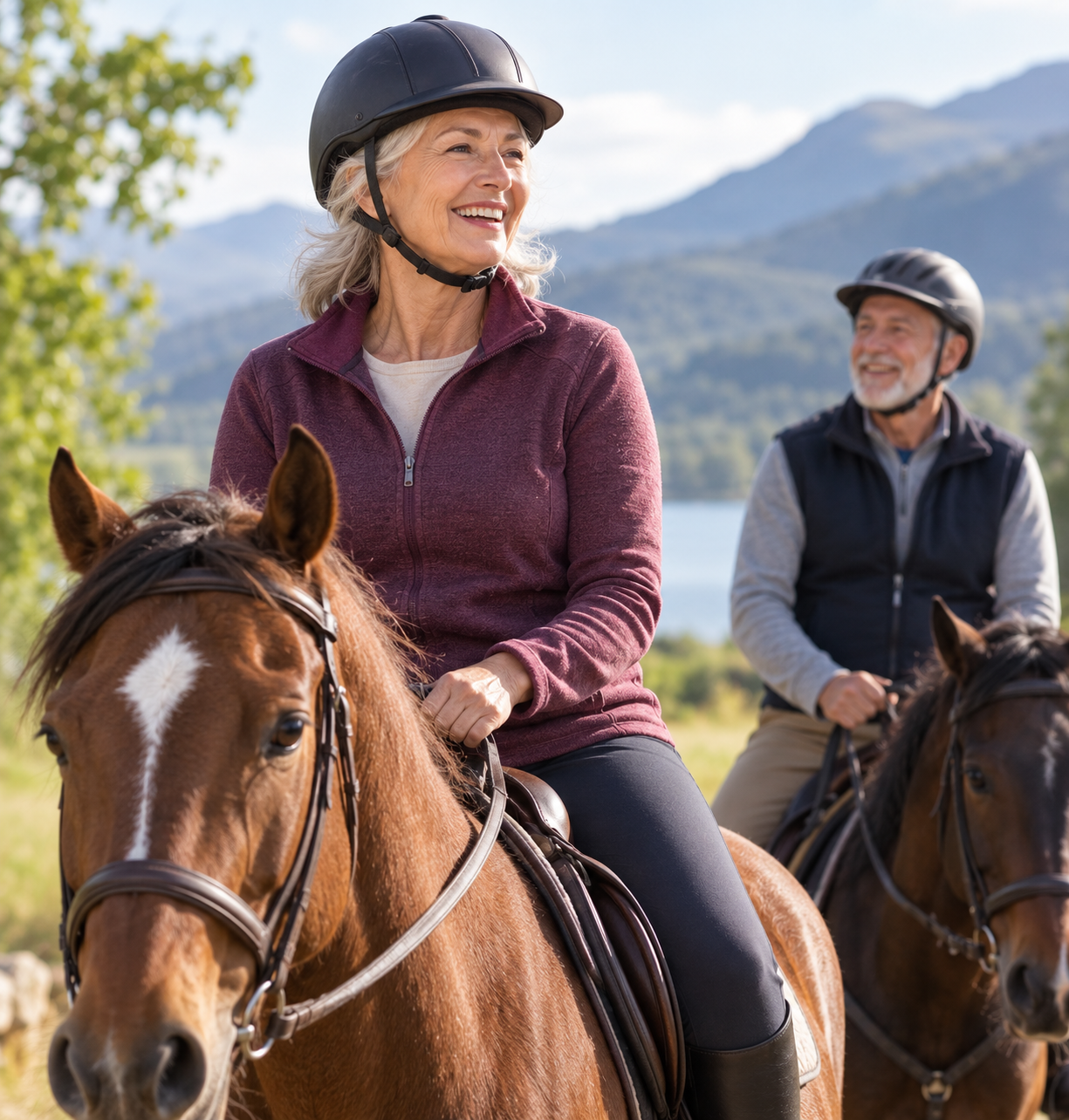
Healthy aging is not about looking younger, buying a “longevity” product, or avoiding every physical change. It is about protecting the ability to move, think, connect, and do what matters to you. The most reliable foundations are regular movement, nourishing food, restorative sleep, supportive relationships, preventive healthcare, and sensible expectations about supplements.
1. What Healthy Aging Really Means
The World Health Organization describes healthy aging as developing and maintaining the functional ability that enables well being in older age. In everyday terms, that means being able to walk safely, manage daily tasks, maintain relationships, make choices, and take part in a life that feels meaningful.[1]
Genes, environment, access to care, and life circumstances matter. Still, lifestyle can influence many modifiable risks. The goal is not perfection. It is to support strength, mobility, cardio metabolic health, independence, and quality of life over time.
2. Habit 1: Move for Strength, Balance and Stamina
Physical activity includes everyday movement such as walking, gardening, taking stairs, household work, and active recreation. Exercise is planned activity, such as swimming, cycling, yoga, or resistance training. Both matter, and consistency matters more than following a fashionable workout.
Aerobic Activity for Stamina and Heart Health
Adults aged 65 years and older should aim for 150–300 minutes of moderate-intensity aerobic activity weekly, 75–150 minutes of vigorous activity, or a combination of both, as abilities allow. Brisk walking is a practical starting point. Swimming, cycling, dancing, and water aerobics are other useful choices. Begin with manageable amounts and build gradually.[2]
Strength, Balance and Mobility
Strength training helps preserve the ability to climb stairs, carry items, and rise from a chair. Include muscle-strengthening activity on at least two days per week, using exercises such as chair sit-to-stands, wall push-ups, resistance-band rows, step-ups, and calf raises. Older adults should also include varied activity emphasizing balance and strength on three or more days weekly to support function and help prevent falls.[2]
If you have chest pain, unexplained dizziness, frequent falls, serious heart or lung disease, or a major mobility limitation, seek individual guidance before substantially changing your routine.
3. Habit 2: Eat for Muscle, Heart and Brain Health
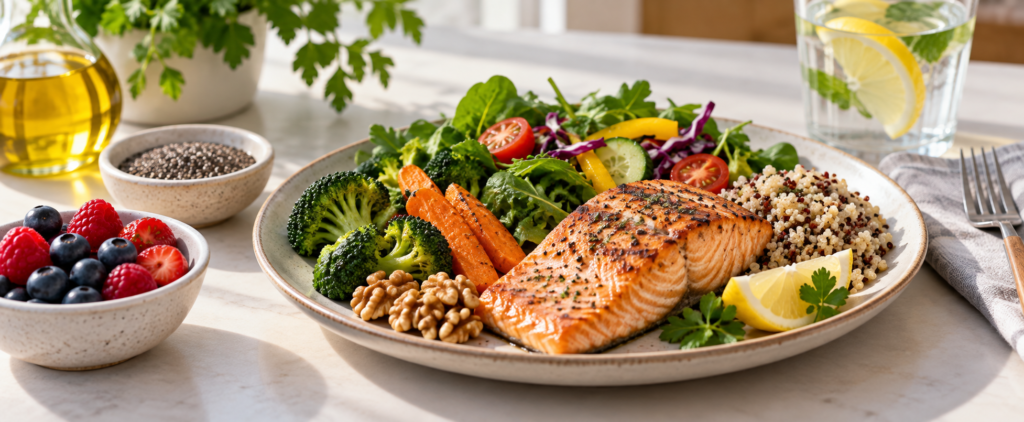
Food comes before supplements. Build most meals around vegetables, fruit, legumes, whole grains, nuts, seeds, protein-rich foods, and unsaturated fats. This supplies fibre, vitamins, minerals, and plant compounds while reducing dependence on highly processed foods.
Protein Becomes Increasingly Important
Muscle mass and strength commonly decline with age. Adequate protein—especially alongside resistance training—helps support skeletal muscle and physical function. A 2024 review identified high-quality protein and long-chain omega-3 polyunsaturated fatty acids as important nutritional considerations for successful aging.[3]
Include protein across the day rather than consuming most of it at dinner. Practical options include fish, eggs, yogurt, milk, poultry, lean meat, lentils, beans, chickpeas, tofu, nuts, and seeds. People with kidney disease or other conditions affecting protein needs should seek tailored professional advice.
Omega-3s, PUFAs and Healthy Fats
Polyunsaturated fatty acids, or PUFAs, include omega-3 and omega-6 fats. Oily fish such as salmon, sardines, mackerel, and trout supply EPA and DHA. Flaxseed, chia seeds, walnuts, and canola oil provide ALA, a plant omega-3; conversion from ALA to EPA and DHA is limited.[4]
Choose foods first: fish, nuts, seeds, and plant oils bring other nutrients and fit into a balanced pattern. An omega-3 supplement may suit some individuals, but it is not a replacement for diet and should be discussed with a clinician when medicines or medical conditions are involved.
Vitamins, Minerals and Collagen: Keep Expectations Realistic
Vitamin D, calcium, vitamin B12, iron, magnesium, and potassium may be relevant to bone, muscle, nerve, and blood health. Meet needs through food where possible, then use targeted supplements for a confirmed deficiency, dietary restriction, or clinician-identified need. More is not necessarily better.
Collagen is a structural protein in skin and connective tissue. Adequate total protein and vitamin C-rich foods—such as citrus, guava, berries, peppers, tomatoes, and broccoli—support normal collagen formation. Studies on collagen peptides report mixed findings; a meta-analysis found possible improvements in hydration and elasticity but also identified bias and called for larger, better trials. Collagen is optional, not essential, and does not replace good nutrition, sun protection, or exercise.[5]
4. Habit 3: Protect Sleep and Recovery
Sleep supports recovery, mood, attention, and metabolic health. A stable sleep schedule, daytime movement, morning light, and less late-day caffeine can support better sleep. Persistent insomnia, loud snoring, breathing pauses, or excessive daytime sleepiness deserve medical assessment.
5. Habit 4: Keep Your Mind Engaged and Stay Connected
Keep the Brain Engaged
Learning new skills, reading, creative work, hobbies, games, and meaningful conversation can help keep life mentally stimulating. Managing health conditions, moving regularly, eating well, sleeping sufficiently, and staying socially engaged are also commonly recommended for maintaining brain health with age.[6]
Connection and Purpose Are Health Habits
Regular contact with family, friends, neighbours, community groups, faith communities, or shared-interest activities can support belonging and emotional wellbeing. Purpose can come from caring roles, volunteering, work, gardening, creativity, or learning. Healthy aging is not merely adding years; it is preserving the ability to participate in a meaningful life.
6. Habit 5: Use Preventive Care and Be Sensible About Supplements
Preventive care deserves the same attention as diet and exercise. Keep up with age- and risk-appropriate health checks, including blood pressure, blood glucose, cholesterol, and recommended screening. Review medicines regularly, and do not dismiss persistent new symptoms as “just aging.” Vision, hearing, dental health, vaccinations, and fall-risk assessment can all affect day-to-day independence.
NAD and NMN: Promising Biology, Limited Human Proof
NAD+ is a molecule involved in cellular energy metabolism and DNA-repair-related processes. NMN, or nicotinamide mononucleotide, is a precursor used in NAD+ pathways. This science is interesting, but it is not proof of an anti-aging treatment.
A small early trial reported that a single oral NMN dose was metabolized and tolerated in healthy men. That study did not test whether NMN extends lifespan, reverses biological aging, or reliably improves healthspan. Human trials remain limited, and no strong evidence currently establishes NMN or NAD+-related products as proven longevity therapies. Treat them as emerging research, not as a substitute for food, activity, sleep, or medical care.[7]
Telomeres: A Clue, Not a Longevity Score
Telomeres are protective DNA-protein structures at the ends of chromosomes. They help protect chromosomes during cell division, much like the plastic tips protect shoelaces. Telomeres generally shorten with repeated division, and telomere dysfunction is involved in cellular aging and disease biology.[8]
Telomere length varies by tissue and is shaped by genetics, early-life influences, health, exposures, and measurement methods. A commercial result cannot precisely reveal your biological age or predict your lifespan. Claims that a vitamin, collagen product, NMN supplement, or “telomerase activator” will reliably lengthen telomeres go beyond the evidence.
A systematic review and meta-analysis found that lifestyle interventions involving physical activity, with or without dietary change, were associated with more favourable leukocyte telomere-length outcomes; combining endurance and strength exercise appeared more effective than either alone in the included evidence. This is encouraging, but it does not make telomere testing or telomere-targeting supplements necessary.[9]

7. The Habits That Add Up
Aging well is less about hacking biology and more about supporting it repeatedly. Move often, challenge your muscles, eat enough protein and plants, choose healthy fats, protect sleep, stay connected, avoid smoking, and use preventive care. No routine can stop aging, and no supplement guarantees longevity. But these everyday choices can help protect the strength, resilience, independence, vitality, and purpose that make later years worth living.
8. Frequently Asked Questions About Healthy Aging
8.1 What is the best way to age well naturally?
There is no single anti-aging habit. Healthy aging is supported by regular physical activity, strength training, nutritious food, adequate sleep, social connection, preventive healthcare, and avoiding smoking. The goal is to maintain function, independence, and quality of life as you age.
8.2 What type of exercise is best for healthy aging?
A combination works best. Aerobic activities such as brisk walking, swimming, or cycling support stamina and cardiovascular health, while resistance exercise helps preserve muscle and strength. Balance-focused activities are also particularly important as people get older.
8.3 What foods support healthy aging?
Focus on vegetables, fruits, legumes, whole grains, nuts, seeds, protein-rich foods, and unsaturated fats. Adequate protein helps support muscle, while foods such as oily fish, walnuts, and chia seeds provide beneficial fats.
8.4 Do supplements such as collagen or NMN slow aging?
Current evidence does not show that collagen, NMN, or any other supplement can stop or reverse aging. Supplements may have specific uses, but they should not replace nutritious food, physical activity, adequate sleep, or appropriate healthcare.
8.5 Can you improve your health even if you start later in life?
Yes. Healthy habits can still be valuable when started later in adulthood. Physical activity can be adapted to individual abilities, while better nutrition, sleep, social connection, and preventive care can all support health, function, and wellbeing.
About Author and Medical Disclosure
Author Bio: Dr. Fatima Khalid is a PhD in biotechnology with experience in biomedical research, molecular biology, scientific literature review, and evidence-based health writing. Her work translates peer-reviewed research and public-health guidance into accessible health information for general readers.
Editorial approach: This article uses public-health guidance and peer-reviewed literature. It distinguishes established lifestyle guidance from preliminary, mechanistic, or limited human evidence on supplements and biomarkers.
Medical disclaimer: This article provides general education and is not medical advice, diagnosis, or treatment. Consult a qualified healthcare professional before starting supplements or making major diet or exercise changes, particularly if you have a medical condition, use prescription medicines, or have a history of falls, heart disease, kidney disease, or nutrient deficiency.
References
1. World Health Organization. Promoting physical activity and healthy diets for healthy ageing in the WHO European Region. Copenhagen: WHO Regional Office for Europe; 2023.
2. World Health Organization. WHO guidelines on physical activity and sedentary behaviour. Geneva: World Health Organization; 2020.
3. Hawley AL, Baum JI. Nutrition as the foundation for successful aging: a focus on dietary protein and omega-3 polyunsaturated fatty acids. Nutrition Reviews. 2024;82(3):389-406. doi:10.1093/nutrit/nuad061. PMID: 37319363.
4. National Institutes of Health, Office of Dietary Supplements. Omega-3 Fatty Acids: Fact Sheet for Health Professionals. Updated 2026.
5. Pu SY, Huang YL, Pu CM, Kang YN, Hoang KD, Chen KH. Effects of oral collagen for skin anti-aging: a systematic review and meta-analysis. Nutrients. 2023;15(9):2080. doi:10.3390/nu15092080. PMID: 37432180.
6. Johns Hopkins Medicine. Maintaining a Healthy Mind as You Age. Accessed September 2026.
7. Irie J, Inagaki E, Fujita M, et al. Effect of oral administration of nicotinamide mononucleotide on clinical parameters and nicotinamide metabolite levels in healthy Japanese men. Endocrine Journal. 2020;67(2):153-160. doi:10.1507/endocrj.EJ19-0313. PMID: 31685720.
8. Blackburn EH, Epel ES, Lin J. Human telomere biology: a contributory and interactive factor in aging, disease risks, and protection. Science. 2015;350(6265):1193-1198. doi:10.1126/science.aab3389. PMID: 26785477.
9. Buttet M, Bagheri R, Ugbolue UC, et al. Effect of a lifestyle intervention on telomere length: a systematic review and meta-analysis. Mechanisms of Ageing and Development. 2022;206:111694. doi:10.1016/j.mad.2022.111694. PMID: 35760212.
