


Key Takeaways
- Blood glucose, often called blood sugar, is an important energy source.
- Insulin helps move glucose from blood into cells; reduced cell response is called insulin resistance [1].
- Metabolic health is broader than one number and includes glucose, blood pressure, blood lipids, waist circumference, and personal history [1].
- Food quality, fibre, activity, sleep, stress, and medical care all matter. No one food or “hack” controls metabolic health.
- GLP-1 medicines are prescription treatments that may be appropriate for some people with type 2 diabetes or obesity after clinical assessment [2,8].
What Is Blood Sugar?
Blood sugar is the common name for glucose in the bloodstream. It comes mainly from carbohydrate-containing foods and supplies energy, especially for the brain and working muscles.
Blood glucose normally rises after meals and falls between them. The aim is not to prevent every rise. It is to support healthy regulation over time and identify persistently elevated levels with appropriate testing [1].
How Insulin Works
Insulin is a hormone made by the pancreas. After meals, it helps cells take up glucose and signals the liver to reduce glucose release when it is not needed.
Insulin resistance happens when cells respond less effectively to insulin. The body may compensate by producing more insulin, but some people later develop prediabetes or type 2 diabetes. Genetics, body-fat distribution, activity, sleep, medicines, and medical conditions can contribute [1].
What Does Metabolic Health Mean?
Metabolic health describes how the body manages energy and important risk factors over time. It is broader than weight or a single glucose reading.
A clinician may consider glucose, HbA1c, blood pressure, triglycerides, HDL cholesterol, waist circumference, liver health, family history, medicines, activity, and sleep. Screening and personalised advice matter more than appearance alone.
Which Tests Matter?
Fasting plasma glucose (FPG)
FPG measures glucose after at least eight hours without calorie-containing food or drink.
HbA1c
HbA1c, also called A1C, estimates average glucose over about the previous two to three months and does not require fasting [1,3].
Oral glucose tolerance test (OGTT)
An OGTT measures the response to a standard 75 g glucose drink. It may be used when more information is needed, including in some pregnancy-related settings [1].
| Test | General range below prediabetes | Prediabetes range | Diabetes threshold* |
| Fasting plasma glucose | Below 100 mg/dL | 100–125 mg/dL | 126 mg/dL or higher |
| HbA1c | Below 5.7% | 5.7–6.4% | 6.5% or higher |
| 2-hour glucose on a 75 g OGTT | Below 140 mg/dL | 140–199 mg/dL | 200 mg/dL or higher |
*In people without clear symptoms, a diagnostic result usually needs confirmation. HbA1c can be less reliable with certain haemoglobin variants, anaemia, kidney disease, recent blood loss, or transfusion. These thresholds apply to nonpregnant adults [1,3].
Why Blood Sugar Changes After Meals
Carbohydrate-containing foods are digested into glucose at different speeds. A meal’s effect depends on carbohydrate type and amount, fibre, protein and fat, cooking method, activity, sleep, stress, medication, and individual health.
Rather than treating all carbohydrates as “bad,” consider quality and context. Whole grains, beans, lentils, vegetables, whole fruit, and minimally processed foods provide fibre and nutrients. Highly refined grains, sugary drinks, and heavily processed snacks are easier to overconsume and may lead to larger post-meal rises for some people.
How to Support Metabolic Health
Choose more fibre-rich foods
Fibre can support fullness and overall meal quality. In people with diabetes, a systematic review and meta-analysis found that higher-fibre dietary patterns improved HbA1c, fasting glucose, blood lipids, body weight, and inflammation-related measures [4]. Choose beans, lentils, chickpeas, vegetables, whole fruit, oats, whole grains, nuts, and seeds more often. Increase fibre gradually if your current intake is low.
Build balanced meals
Include protein, fibre, and unsaturated fats alongside carbohydrates to make meals satisfying and balanced. Examples include yoghurt with fruit and nuts, eggs with vegetables and whole-grain toast, or lentils with vegetables and whole-grain flatbread. Choose a pattern that fits your culture, budget, health needs, and preferences.
Move regularly and after meals
Working muscles use glucose during activity. The CDC recommends at least 150 minutes of moderate-intensity activity each week for adults, adjusted for health status and clinical advice [5]. A systematic review found exercise after meals was associated with lower post-meal glucose concentrations and exposure in healthy adults and people with type 2 diabetes [6]. A short walk after one meal is a practical starting point.
Protect sleep and manage stress
Sleep is part of metabolic health. In people with type 2 diabetes, short or long sleep duration and poor sleep quality have been associated with higher HbA1c [7]. Aim for a regular sleep routine where possible. Seek advice for loud snoring, breathing pauses during sleep, severe daytime sleepiness, or persistent insomnia.
Make changes you can repeat
Start with one change: add vegetables or beans more often, choose water or an unsweetened drink more often, walk after one meal, or make sleep times more regular. Sustainable habits are more useful than changing everything at once.
A Practical Day of Eating
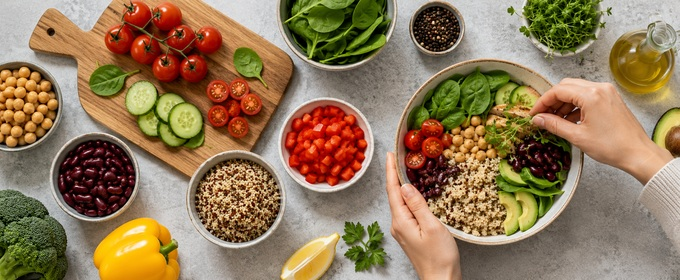
There is no perfect meal plan. One balanced day could include:
- Breakfast: Porridge with yogurt, berries, and nuts; or eggs with vegetables and whole-grain toast.
- Lunch: Lentils or beans with vegetables, salad, and a modest serving of whole grain or flatbread.
- Dinner: Fish, chicken, tofu, beans, or lentils with non-starchy vegetables and a fibre-rich carbohydrate.
Portion needs vary by activity, health conditions, medicines, culture, and personal goals. People with diabetes should follow the plan agreed with their healthcare professional.
What About GLP-1 Medicines?
GLP-1 is a gut hormone released after eating. It supports insulin release when glucose is elevated, reduces glucagon signalling, slows stomach emptying, and contributes to fullness.
GLP-1 receptor agonists are prescription medicines that mimic some of these actions. Depending on the medicine, local approval, and individual circumstances, they may be prescribed for some people with type 2 diabetes or obesity. They can improve glucose management and support weight loss for eligible people, but they are not supplements or replacements for balanced eating, movement, sleep, and clinical follow-up [2,8].

When to Speak With a Clinician
Arrange a check-up if you have a family history of type 2 diabetes, previous gestational diabetes, polycystic ovary syndrome, high blood pressure, abnormal cholesterol or triglycerides, sleep apnoea, or unexplained weight changes.
Seek prompt medical advice for unusual thirst, frequent urination, unexplained weight loss, blurred vision, recurrent infections, or severe fatigue. A blog cannot diagnose diabetes, prediabetes, or insulin resistance.
Frequently Asked Questions
Is every blood-sugar rise after eating bad?
No. Blood glucose normally rises after meals. The focus is long-term regulation, not perfectly flat glucose. Meal composition, activity, sleep, medication, and individual metabolism all influence the response.
Is HbA1c the same as A1C?
Yes. HbA1c and A1C refer to the same glycated-haemoglobin test [3].
Can one food lower blood sugar?
No single food can treat diabetes or reliably lower blood glucose for everyone. Dietary pattern, activity, sleep, prescribed medication, and medical follow-up matter more.
Do I need a continuous glucose monitor?
A continuous glucose monitor may help some people, particularly those managing diabetes. It is not essential for everyone seeking healthier habits. Ask a clinician whether it is appropriate for you.
Can insulin resistance improve?
Regular activity, a fibre-rich eating pattern, improved sleep, and weight management where appropriate can support insulin sensitivity. Individual care may also include medication or treatment of related conditions [4–7].
The Bottom Line
Blood sugar and metabolic health are shaped by glucose and insulin alongside food, movement, sleep, stress, medical history, and healthcare. Normal post-meal changes are expected; long-term patterns and appropriate testing matter more than chasing perfect numbers.
Focus on repeatable habits: eat more fibre-rich foods, include protein and healthy fats in meals, move regularly, protect sleep, and arrange screening when symptoms or risk factors are present [1,4–7]. GLP-1 medicines may help some eligible people, but they are one medically supervised option within a wider plan [2,8].The slow morning, in practice
References
[1] American Diabetes Association Professional Practice Committee for Diabetes. Diagnosis and classification of diabetes: Standards of Care in Diabetes—2026. Diabetes Care. 2026;49(Suppl 1):S27–S49. doi:10.2337/dc26-S002. PMID: 41358893. PMCID: PMC12690183. https://pubmed.ncbi.nlm.nih.gov/41358893/
[2] National Institute of Diabetes and Digestive and Kidney Diseases. What’s New in Medications for Weight Management for People with Diabetes? January 26, 2022. Available from: https://www.niddk.nih.gov/health-information/professionals/diabetes-discoveries-practice/new-in-medications-for-weight-management. Accessed September 2, 2026.
[3] Centers for Disease Control and Prevention. A1C Test for Diabetes and Prediabetes. May 15, 2024. Available from: https://www.cdc.gov/diabetes/diabetes-testing/prediabetes-a1c-test.html. Accessed September 2, 2026.
[4] Reynolds AN, Akerman AP, Mann J. Dietary fibre and whole grains in diabetes management: Systematic review and meta-analyses. PLoS Medicine. 2020;17(3):e1003053. doi:10.1371/journal.pmed.1003053.
[5] Centers for Disease Control and Prevention. Get Active. Available from: https://www.cdc.gov/diabetes/living-with/physical-activity.html. Accessed September 2, 2026.
[6] Aqeel M, Forster A, Richards EA, et al. The effect of timing of exercise and eating on postprandial response in adults: A systematic review. Nutrients. 2020;12(1):221. doi:10.3390/nu12010221. PMID: 31952250. PMCID: PMC7019516. Correction published in Nutrients. 2020;12(5):1263. doi:10.3390/nu12051263.
[7] Lee SWH, Ng KY, Chin WK. The impact of sleep amount and sleep quality on glycemic control in type 2 diabetes: A systematic review and meta-analysis. Sleep Medicine Reviews. 2017;31:91–101. doi:10.1016/j.smrv.2016.02.001.
[8] Collins L, Costello RA. Glucagon-Like Peptide-1 Receptor Agonists. In: StatPearls [Internet]. Treasure Island, FL: StatPearls Publishing; updated February 29, 2024. PMID: 31855395. Available from: https://www.ncbi.nlm.nih.gov/books/NBK551568/. Accessed September 2, 2026.
Medical Disclaimer
This article is for general educational purposes only and is not a substitute for personalised medical advice, diagnosis, or treatment. Speak with a qualified healthcare professional about symptoms, test results, medicines, or changes to your care plan. Do not delay medical care because of information in an online article.
